
THE FIREBIRD MENTALITY
A Course for Musicians Igniting Confidence and Resilience
Onstage and Beyond
To access a free sample lesson and PDF course description, join our waitlist.
What to Expect
A 32-Module Curriculum for High-School Musicians
Research-Backed • SEL-Centered • Performance-Focused
The Firebird Mentality is a short-form (<5 min. per video), science-based curriculum that equips student musicians with the psychological, emotional, and physical tools they need for healthy, confident, and sustainable artistic growth.
The program blends digital instruction with hands-on, reflective journaling exercises, breathing work, guided visualization, and stress-regulation practices, all designed specifically for the high-school ensemble environment.
“Rather than focusing on what to think, we emphasize how to think, supported by scientific principles that explain the why.”
— Rebecca Sieff
Topics Include
-
✺
Practice Strategies for Confidence
-
✺
Performance Anxiety
-
✺
Positive Self-Talk
-
✺
Stress Management
-
✺
General Wellness
-
✺
Leadership Skills
-
✺
Goal Setting
-
✺
Journaling
-
✺
Breathing Techniques
-
✺
Flow State
-
✺
Alexander Technique
-
✺
Meditation
-
✺
Communication Skills
-
✺
Mental Resilience
-
✺
Emotional Awareness
Why It Matters
Music can elevate mood, spark connection, and create belonging—but it can also cause intense pressure. Many young musicians wrestle with competition, negative self-talk, and fear of judgment or failure, often stepping back before realizing their full potential.
I was one of them.
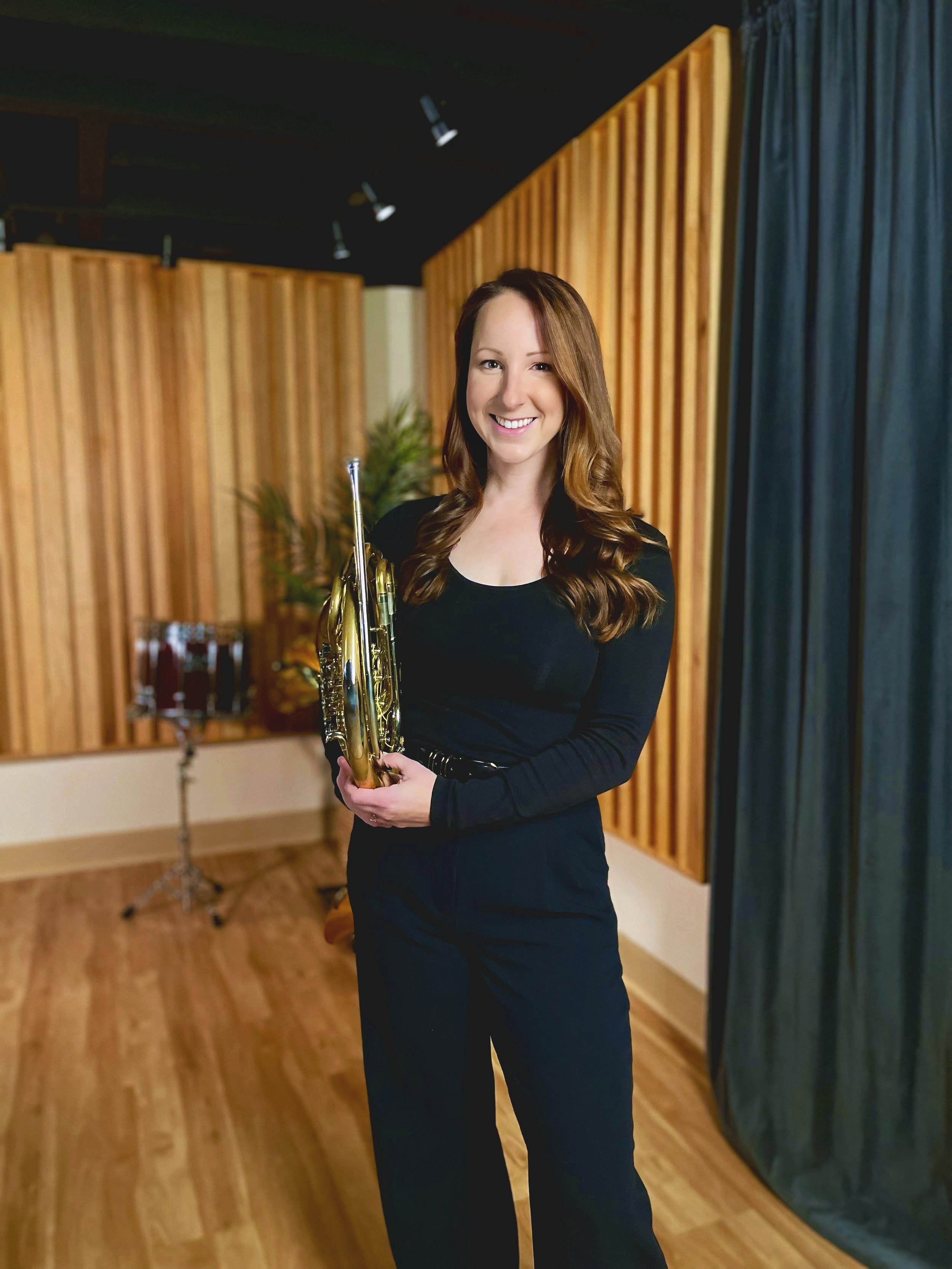
For years, I battled anxiety, perfectionism, and comparison. Over nearly three decades of horn performance—including almost twenty years in elite military ensembles—I learned how to overcome these challenges. The Firebird Mentality is the digital course I created to help high-school musicians build those skills early.
Through 32 short video lessons (each under five minutes), students gain practical tools for emotional awareness, confidence, resilience, and self-compassion—skills that strengthen their music, their mindset, and their lives.
Contact us.
info@sieffmusic.com
Rebecca Sieff
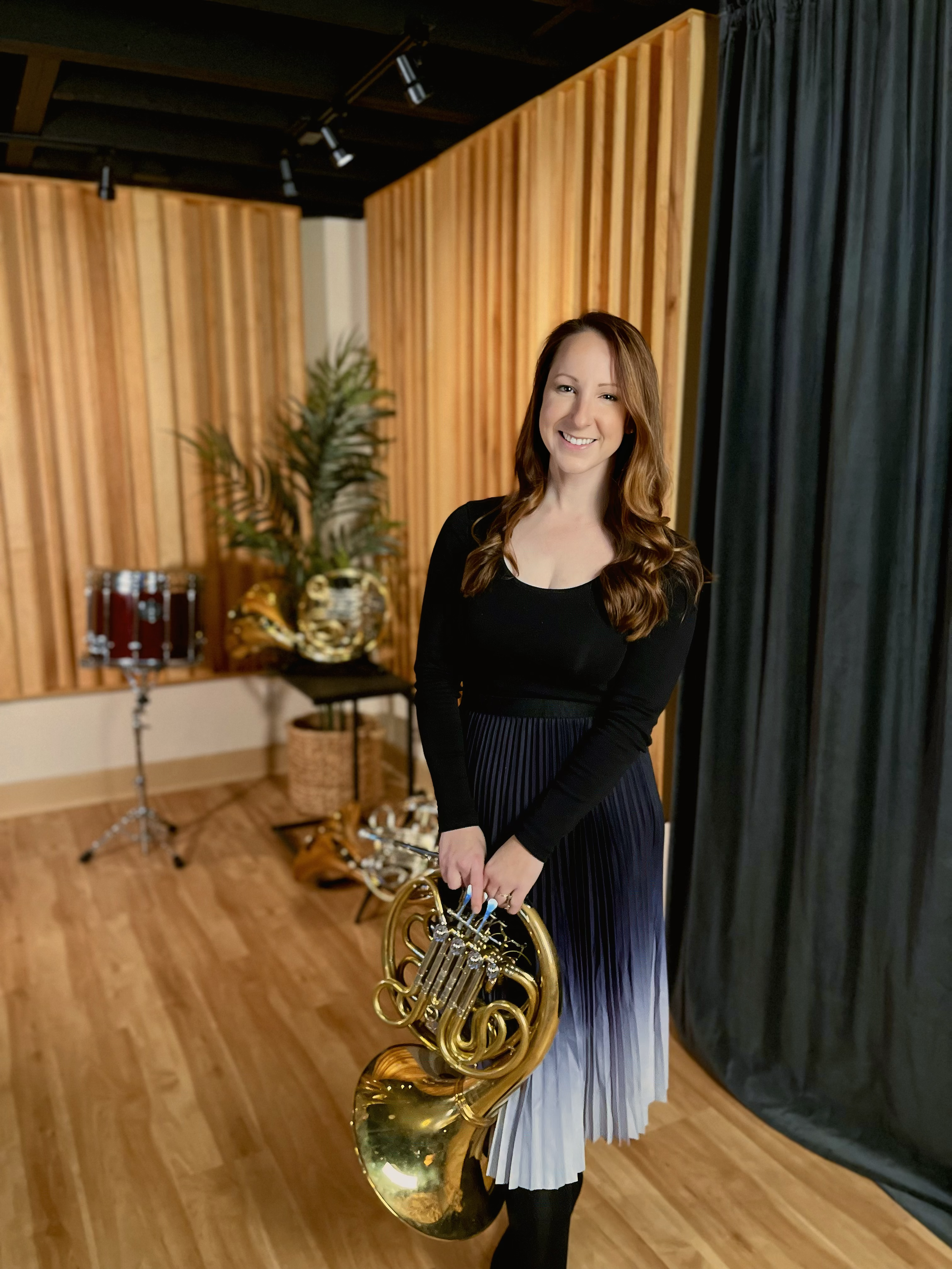
Rebecca Sieff is an accomplished horn player and clinician whose career has taken her around the world. After performing with the Disneyland All-American College Band in 2009, she graduated magna cum laude from Indiana University in 2010 with a Bachelor’s degree in Music Education.
She enlisted in the U.S. Army in 2011, earning top graduate honors in Basic Training and multiple stand-out awards at the Army School of Music. She first served with the 8th Army Band in Seoul, South Korea before winning a position with The United States Army Field Band, stationed out of Ft. Meade, MD, in 2012. Over four years, she toured the country on 11 National Concert Tours, performed as Co-Principal Hornist, and served as a concert moderator.
Highlights include collaborations with the Detroit Symphony Orchestra, performances at The Midwest Clinic, two International Horn Symposiums, the International Women in Brass Conference with Monarch Brass, American Bandmasters Association, and the second Inauguration of President Obama. She received both the Army Commendation Medal and the Army Achievement Medal.
Since 2016, Rebecca has been a hornist with “The President’s Own” United States Marine Band. Notable performances include the Marine Band’s 225th Anniversary Concert with Maestro John Williams, an Emmy-winning PBS broadcast with Maestro Gerard Schwarz, the Inaugurations of President Biden and President Trump, an International Concert Tour to Europe, and National Concert Tours featuring concerts at Carnegie Hall and Boston Symphony Hall with members of the Boston Pops.
Rebecca Sieff currently resides in Maryland with her husband, Jesse Sieff, and young twin daughters.
What’s Included
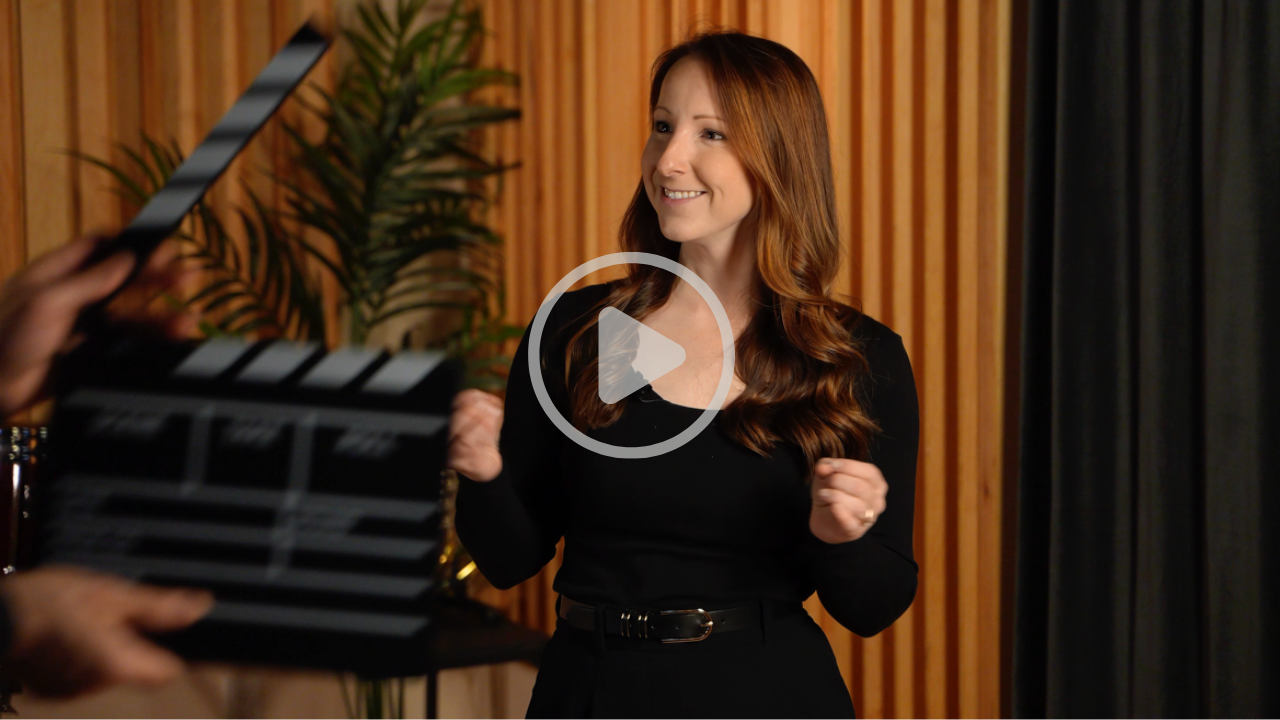
32 Video Lessons
Each video can stand on its own, but is best viewed consecutively for cohesion and comprehension. The topics progress from generalized wellness to goal setting, stress management, positive self-talk, practice techniques for confidence and performance anxiety, and finally leadership and communication skills. Techniques include meditation, visualization, breathing, Alexander, and more.
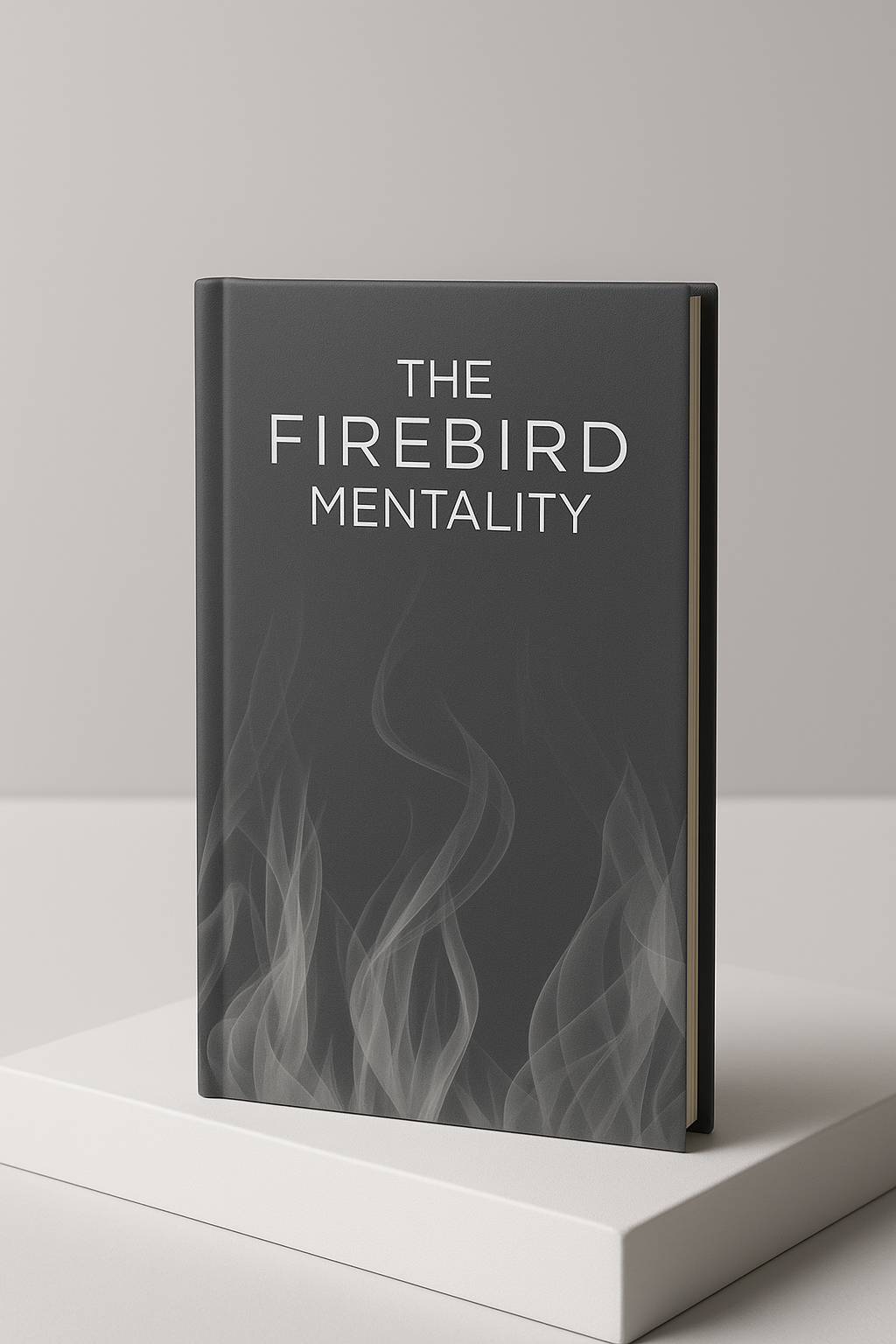
Journal
Handwriting is key. Physically writing on paper rather than typing on a phone or computer is proven to more effectively calm the brain, help process emotions, enhance working memory, foster self-reflection, and more. When students write in their journal, their responses can be completely honest without fear of judgement, as this journal is for their eyes only. Also, it will be a lasting resource for years to come of the information presented throughout the course.
Teacher Guide
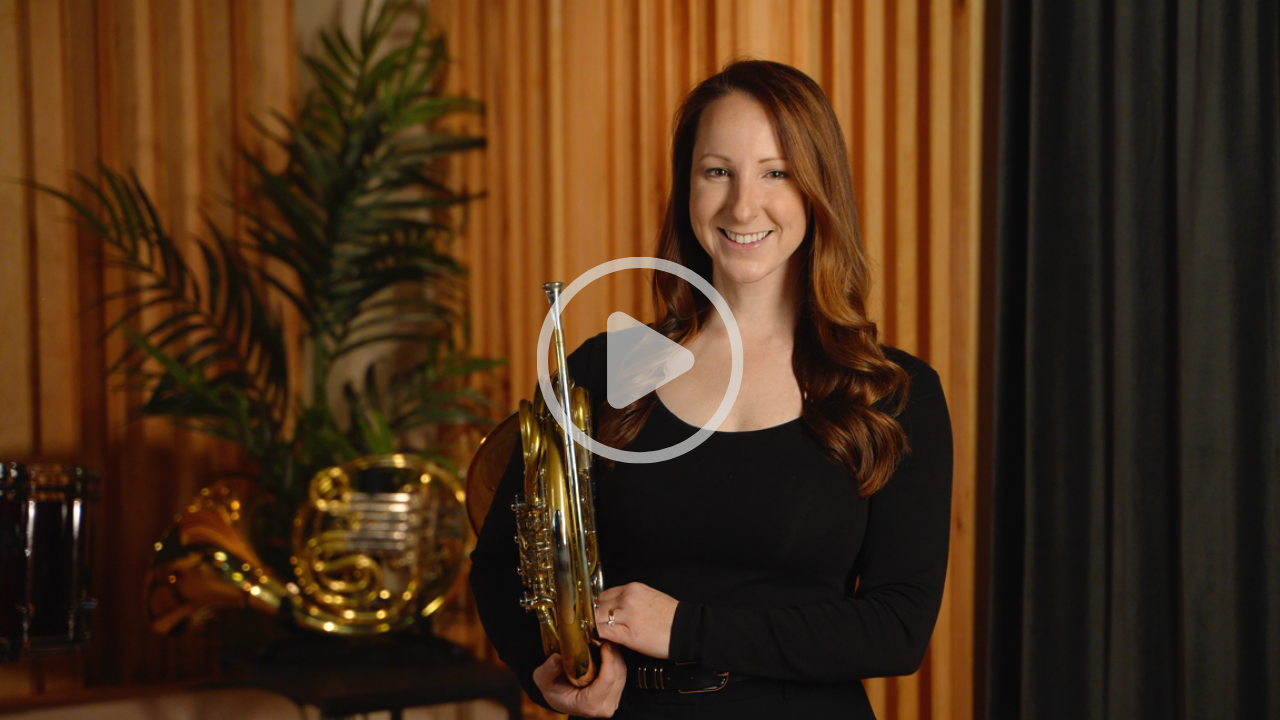
Teachers will receive a short instructional video on course implementation. This course is available 24/7 and unlike hiring a one-time clinician, it can be accessed as often as desired and in a variety of settings throughout the school year, fitting seamlessly into full ensemble rehearsals, sectionals, SEL Blocks, and advisory periods. It is designed to enhance—not add to—the work teachers are already doing.
Frequently Asked Questions
-
It is best to stay present and attentive during each video lesson for multiple reasons. 1. Students may want to discuss the topic or ask questions, in which case pausing the video may be necessary. 2. Journal prompts appear throughout each lesson- beginning, middle, and most often, at the end. When the prompts are at the end, there is no need to pause the video to allow for response time. However, some of the prompts appear in places where you (or a trustworthy student) must pause the video to allow students time to reflect and write.
-
I recommend once a day at the start of rehearsal to set the tone and let each lesson sink in. Because the lessons are only five minutes or less, they should be easy to add to your routine. However, you can pace the 32 videos however you choose! 1. All at once (consecutively over several ensemble rehearsals, which would take about three hours of instruction). 2. Once a day (each video is five minutes or less of your ensemble time), or 3. Spread out throughout the month or year.
-
Providing a journal for each student gives them a curated workbook where the questions, topics, and lessons are already laid out, which will help them remember each subject as they reference it at later dates. Also, having a journal of this nature feels special- each student will feel more invested in this topic if it is given the weight and importance it deserves rather than writing notes on an easily discarded loose sheet of paper.
-
The first video is an introduction for the students to watch. It is our starting point for the students to gauge their current level of confidence, which they will revisit in lesson 32.
-
Pricing will depend on the number of teachers being added to the licensing agreement (ex: district wide license vs. an independent organization) and the number of journals needed to meet the size of their ensembles.
Reach out to us for a custom quote. -
This course is intended to supplement high school musicians in musical ensembles. I think it will resonate with students that age and up, so a college ensemble will absolutely benefit from these subjects but a middle schooler is probably not ready yet.
-
I highly recommend watching these videos in order because they build upon each other in ways that may not seem intuitive at first but appear subtly and then more obviously as we progress. Once all 32 lessons are complete, by all means watch any of them over again for reference. The lessons can stand alone, but do make more of an impact if they are watched in order.